New fiscal package makes the ICT sector more competitive in the region

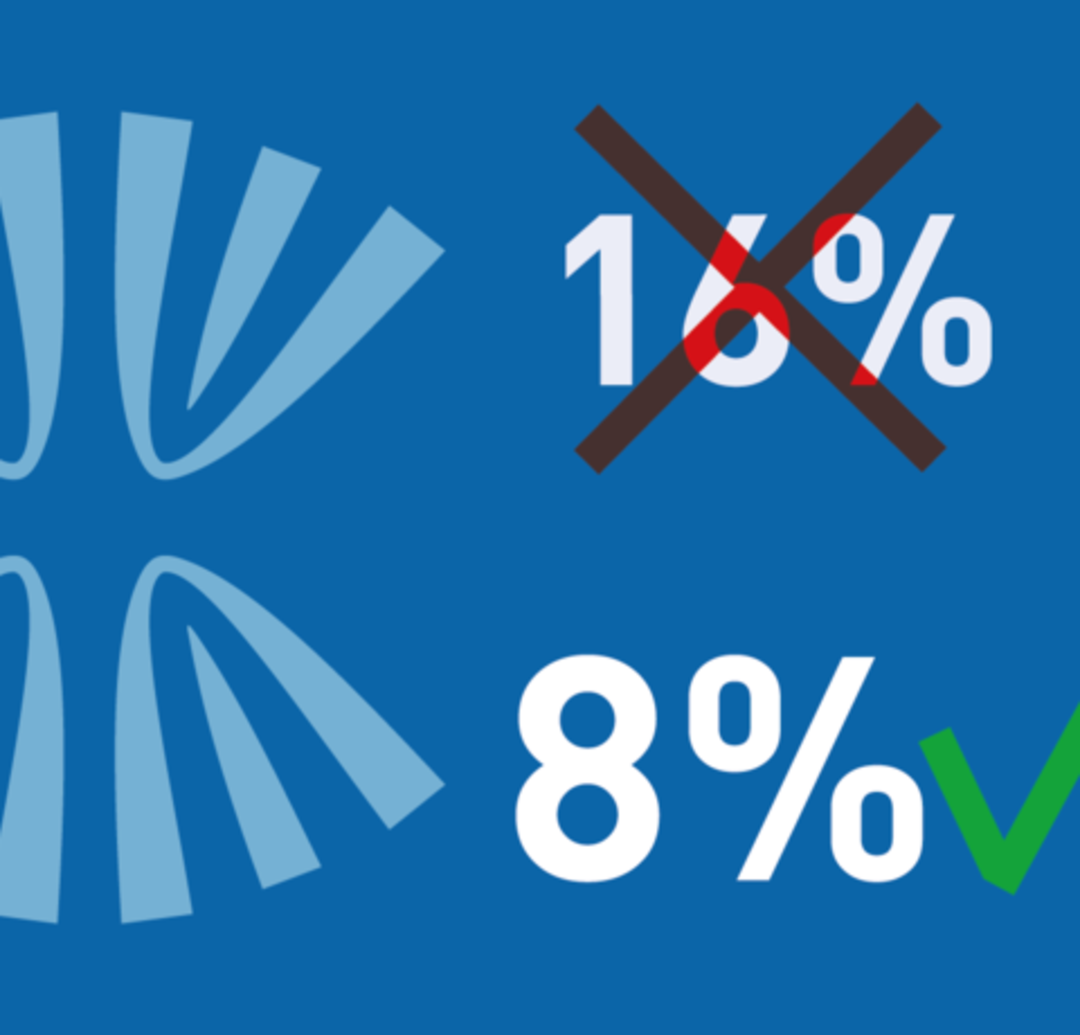
After two successful years of advocating and lobbying by STIKK, and the dedication of the Government to treat the ICT sector with priority, the Tax Administration of Kosovo issued an Administrative Instruction with which ICT equipment will have a reduced VAT rate of 8%.

The law no. 05/l-037 for Value Added Tax, Article 26, point 2, points out that the Information Technology equipment are included in the essential product list which have a lower VAT. Implementation of new law begins today, on 1st of September, 2015. Furthermore, the same equipment will be exempt from VAT on import.

The law no. 05/l-037 for Value Added Tax can be found here: http://www.stikk-ks.org/fileadmin/PDF/LAW_NO._05_L-037_ON_VALUE_ADDED_TAX___ANNEX.pdf

Administrative Instruction with the complete list of ICT equipment with e reduced VAT rate can be found here: http://www.atk-ks.org/wp-content/uploads/2015/09/1642-MF_KM-U.A-Nr.03-2015-per-zbatimine-Ligjit-Nr.05-L-037-per-tatimin-mbi-vleren-e-shtuar.pdf (Albanian Only)

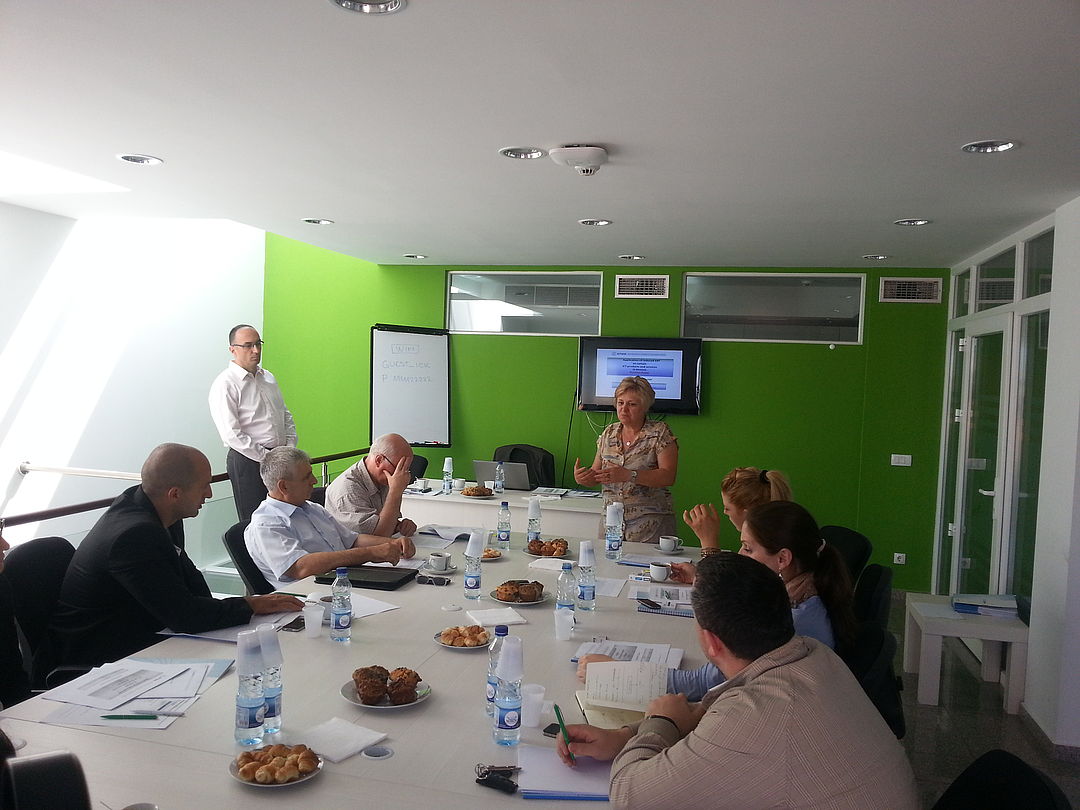
STIKK presentation @ BarCamp Ferizaj #20

Lorik Mullaademi, project manager at STIKK, is going to be a speaker at the 20th edition of BarCamp Ferizaj, where he is going to be present STIKK’s projects and his involvement in the association.

Success for government lobbying campaign in Kosovo

In today’s modern world, having a competitive ICT market is imperative for private sector development. Businesses know this and governments know this, but adjusting policies is a time consuming process and is often seconded to more pressing concerns. However the Kosovo government has recently prioritized ICT on its agenda, recently enacting a VAT reduction on ICT equipment in its fiscal policy.

SPARK

Such a move exemplifies the power of the combined efforts of SPARK and its local partner STIKK (Kosovo ICT Association) in advocating and lobbying the Kosovo government for a more fruitful economic environment for businesses.

SPARK and STIKK first began their lobbying back in 2011 to ensure that the country’s ICT sector was able to develop to its full potential. These efforts have already generated results in the last two years, such as resolving ongoing obstacles to successful business practices as well as creating sustainable opportunities for entrepreneurs to increase their productivity and business networks. However the greatest victory came this week when the Kosovo government announced that a new law on fiscal package has been approved by the parliament, effectively halving the VAT on ICT equipment from 16% to 8 %.

Such legislation is imperative to Kosovo’s sustainable economic development as the former VAT rate was not competitive enough to ensure profitable business practices; regional neighbour Macedonia had previously decreased VAT on ICT equipment from 18% to 5%. As such businesses were tempted to look beyond Kosovo’s border for a good deal. Now however Kosovo’s new VAT rate applies to all goods and services traded inside and outside of Kosovo, including the all important imports and exports.

But what does this really mean for the economy’s development? Well, figures drafted using trends from the Tax Administration data forecast that such an amendment will stimulate tangible economic growth; VAT cuts will drive domestic consumption higher resulting in an increase in tax revenues, and new employment opportunities will be generated. Importantly a rise in direct investment into Kosovo ICT companies and services by the foreign market has been forecasted.

Figures from the World Bank show that Kosovo has experienced solid economic growth over the last decade. Furthermore it is one of only four countries in Europe to have experienced growth in every year since the onset of the global financial crisis in 2008. SPARK’s lobbying and Advocacy which assisted the result of the new reduced VAT rate of 8% will certainly sustain the continuing development of Kosovo.

As one of its activities STIKK has produced an ‘IT Barometer‘; a document which explores the IT sector in Kosovo and provides current information for potential investors.

Read original article written by SPARK.

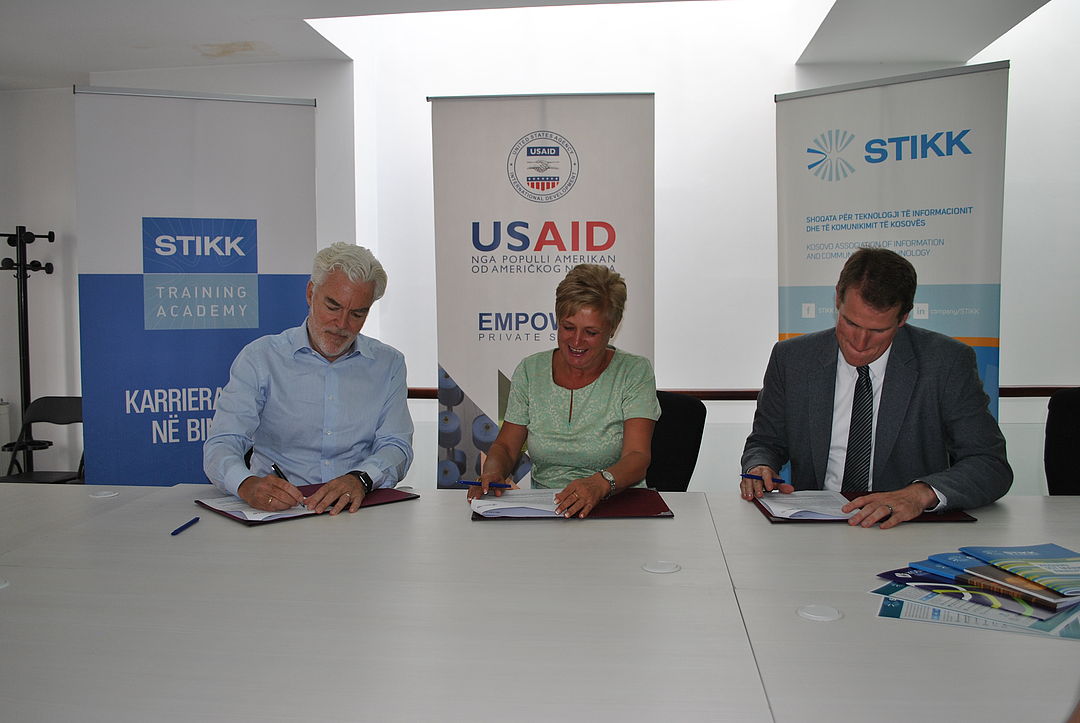
STIKK and USAID’s EMPOWER Private Sector signed a grant agreement to support STIKK Education

Pristina – Today, the Kosovo Association of Information and Communications Technology (STIKK) and USAID’s EMPOWER Private Sector signed a grant agreement that will support a training and internship in ICT program for youth.

“In 2014, STIKK published a report on ICT Sector Skills Gap Analysis, which highlighted that there is a strong domestic market and export market demand for ICT service providers,” says Vjollca Çavolli, STIKK Executive Director. “However, there is a major obstacle to realizing this opportunity: lack of educated professionals in Kosovo in a range of ICT profiles, such as software programming and coding, even ICT business administration and marketing. This puts Kosovo service providers at a competitive disadvantage, especially in getting outsourcing jobs from EU buyers.”

This training and internship program to be launched by STIKK as part of its STIKK Education consists of two 6-month training cycles to take place in 2015 – 2016. The program covers software and mobile applications programming that complies with the European e-Competence Framework 3.0, which ensures international standards and certification for defined ICT skills profiles.

The program targets unemployed youth interested in pursuing careers in ICT. Therefore, the training participants will be linked with companies in Kosovo that will provide internship opportunities and subsequently job placements for them.

The activity is co-funded by USAID’s EMPOWER Private Sector, the Norwegian Embassy, and GIZ. It is expected that as a result of the training, 70 new jobs will be created, and the program will support the STIKK Education to achieve sustainability.

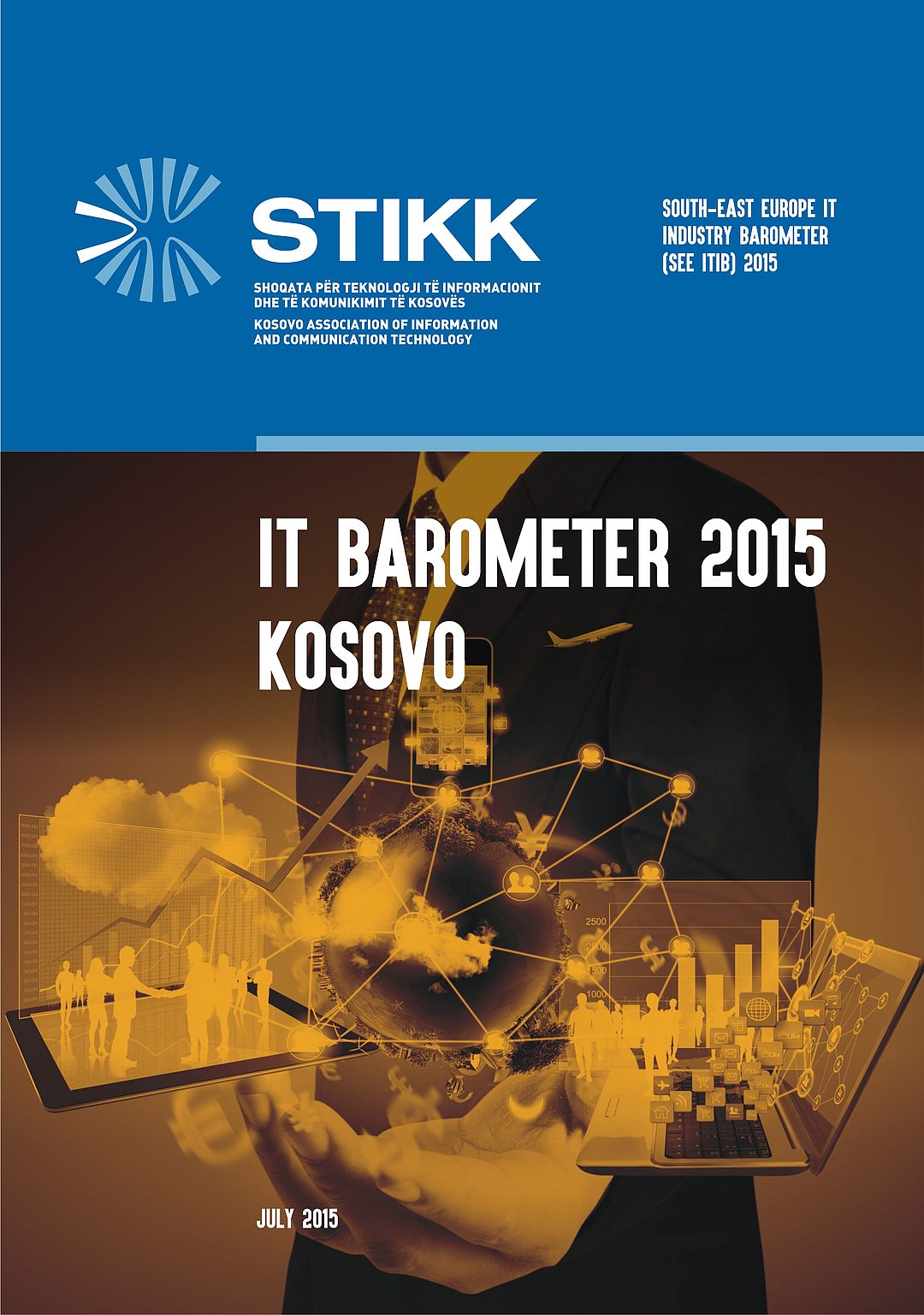
IT Barometer Kosovo – 2015

Following the trend created last year, the IT Industry Barometer (ITIB) has been prepared for Kosovo this year as well.

40 Kosovo companies have completed the questionnaire containing 36 questions divided into six sections:

– General Information;
– Export Related Questions;
– Statistics;
– Human Resources;
– Forecast;
– Current Issues and Remarks, Comments.

STIKK, together with five other regional ICT associations (AITA, BIT Alliance, STIKK, MASIT, IT Cluster, ICT Network), with the support of the German Agency for International Cooperation (GIZ), have prepared this research titled “South-East Europe IT Barometer”. The goal of this survey is to gather relevant information on the SEE regional software / IT services industry in order to develop an export planning as well as support measures to promote regional exports.

Participants of this survey helped in creating an IT profile for Kosovo, offering information of the domestic and regional market, and strengthening regional cooperation.

Emerging Destinations: Kosovo

A strong average of English and German skills, similar work culture to people of Western Europe and US, huge, untapped and well-educated workforce and experienced training service providers, which deliver certified professionals to the market, make Kosovo a runner up in the list of the top places for outsourcing in Eastern Europe, while its capital Prishtina, is close to over 10 cities of Central and Eastern Europe.

Çelik Nimani

The backbone of the ICT Industry the Kosovo Association of Information and Communication Technology (www.stikk-ks.org), which represents the industry, founded in 2008, has provided constant publications around the situation of the ICT Industry of the country on yearly bases including information about procurement, IPR Structure, Demand/Supply, Skills gap analysis, Standardization and the latest report on internet penetration which shows a figure of over 72% internet penetration in the country, giving an incentive of an interesting ICT Industry profile, where over 130 ICT Companies operate, 80% owned by locals and less than 10% by foreigners , with an average size of 10-20 employees. Getting back to a report by IDC published on 2011 , the IT market of Kosovo amounted 126.75 million dollars, reflecting 5.8% year-on-year growth, while spending on IT services has reached 17.54 million, where leading IT service providers in 2011 were 3CIS, Cacttus and Asseco SEE.

IDC expected that the IT Market in Kosovo will expand by 2.6% year on year in 2012 and forecasts that the total of IT spending will reach 153.91 million dollars in 2016. Digging deeper into the Telecommunication sector, a recent report by the Telecommunications Regulatory Authority of Kosovo shows that the mobile industry of the country is on a good pace and the two big players, PTK and IPKO, with approximately 1,500,000 users in total have raised the mobile pen- etration in a total of 87.8% in 2012, a 8% raise compared to 2011.

The right mix of skills and knowledge
From a market perspective, an educated country and tech-savvy people with the “right” mix of skills and knowledge, give the promotion of an outsourcing destination, while a case study on ICT trainings in Kosovo performed by Cisco Networking Academy (NetAcad) states that there is an educated and experienced workforce as a whole, but it’s searching higher salaries and better working conditions abroad. In this study NetAcad revealed that Kosovo makes a perfect ICT Outsourcing country, and time difference between USA makes it more appealing for the U.S. market.

Such is the story of 3CIS (www.3cis.net) which provides highly specialized services to major telecommunication carriers across the world like ATT, Clearwire, Vodafone, Bt, Oranget, etc. In the services that it covers some worth mentioning are architecture design, planning, consulting, implementation, integration and testing. Founders of the company state that some of the main arguments of starting operations in Kosovo include operating hours ahead of US Time zones, guaranteed quality based on experience, well educated work force and a very attractive price point and value.

Application Development and Software
Testing IDC estimated that software application market in Kosovo totaled 8.62 million dollars in 2011, where 39.8% of ERM applications remained the strongest category in this segment, while it expects an increase of 5.7% in 2012. This part of the market has become especially attractive for some specific and professional companies like ION Coders (www.ioncoders.com), which has already delivered services to clients in the Switzerland and Germany, building custom mobile apps for companies that supported the extension of their services.

Native mobile development in Objective C, C++ and Java for iOS and Android platforms, and as well for ASP. Net development, are the technologies that this company uses in project based development with international clients.

Another interesting company in this field is Cacttus (www.cacttus.com), with a strong expertise in software testing to clients in Germany and USA, including mobile and web application functionality testing, system testing, performance testing, security testing, test & design execution and defect management. The expertise of one of the oldest players in the ICT Industry of Kosovo is a unique combination in the areas of software development, software testing and project management.

Exporting professional services on database development, geographical information systems, location based services, web platforms, ERP and CRM customizing, are the strengths of Adaptivit (www.adaptiv-it.com) which has been valued as a reliable partner for high level outsourcing projects and services in Germany, thanks to certified company maturity, applied methodology, process based management, staff training and German communication knowledge throughout the company. Austria, Switzerland, Germany, UK, Sweden and US are destinations where Rrota (www.rrota.com), which has worked in outsourcing since 2008, has project going on, including software development, website development (front-end & back-end development), and graphic design and desktop publishing. The Management of the company mentions that requirements in the web industry from the German-speaking countries are usually Typo3, while on the other hand there are project management challenges, which overcome through detailed and honest communication, and the usage of Agile SCRUM Methodology has massively facilitated the exporting process of the company, ensuring quality and on-time delivery.

Last year a business incubator called Innovation Centre Kosovo (www.ickosovo.com) financed by the Norwegian Ministry of Foreign Affairs, was founded by STIKK and Athene Prosjektledelse AS in order to support the further development of the ICT Industry through focusing on startups and entrepreneurs, offering them a hub to launch their business ideas. The center offers incubation and training services, while it has also made a big impact on the market pushing forward the opening of other business support centers, startups, investments, etc. Top Countries where Kosovar companies export services are Germany, USA, Switzerland, Sweden and United Kingdom. Strengths of Kosovar Companies Strong and certified expertise in different fields such as Web and mobile application development; Software Testing; Database Development; Web/ Mobile Design; Project Management Qualified staff and above average knowledge of English and German languages Similar Work Culture to Western Countries Tech-savvy.

National ICT Day 2015

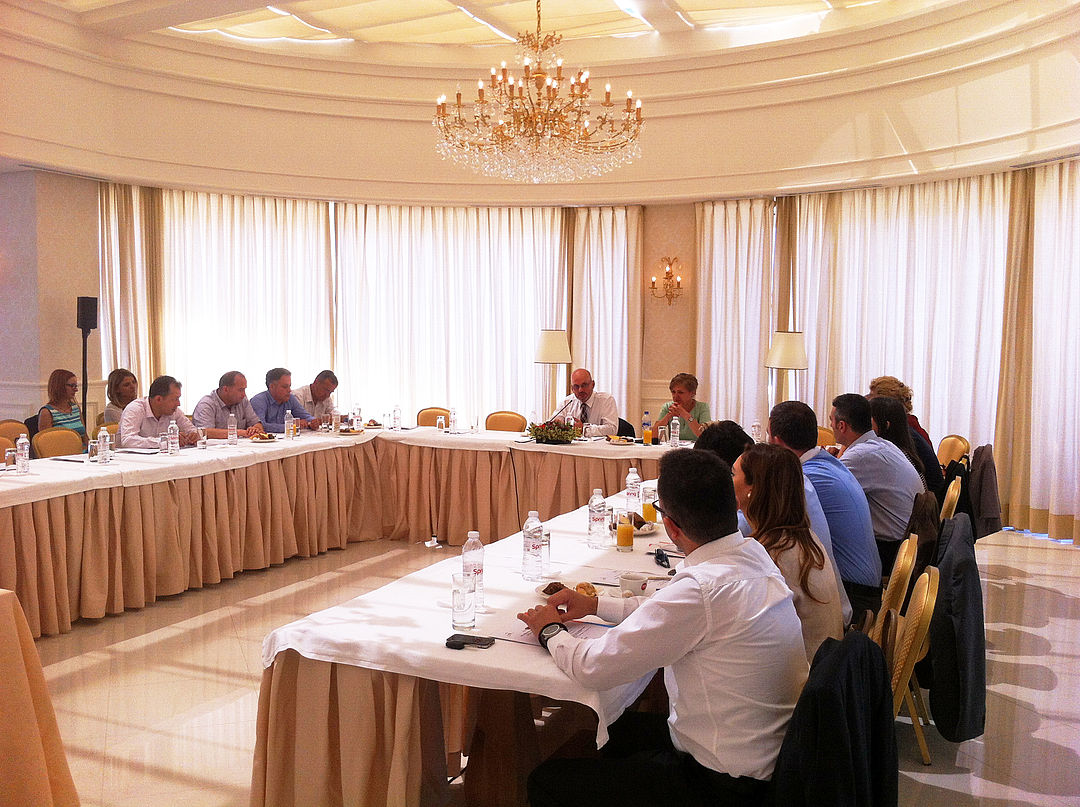
The 7th Edition of the National ICT Day was held on the 25th of June in Durres, Albania. Over 30 representatives of the ICT sector including companies from Kosovo and Albania met with the goal of identifying different ways of cooperation, strengthening and creation of a nationwide professional network in the field of ICT.

Mr. Dritan Mezini, Executive Director of AITA, as the host of the event welcomed the participants to the event. Ms. Vjollca Çavolli, Executive Director of STIKK, also had the pleasure to welcome participants and describing how the traditional meetings between Kosovar and Albanian ICT sectors have deepened cooperation.

The audience had an opportunity to listen to the presentation of Kosovo IT Barometer by Mr. Bardh Kadiu, STIKK Program Coordinator. Following the presentations the participants had an opportunity to contribute to the open discussion regarding the difficulties occurred in terms of cooperation between the two countries. The companies continued to exchange their experience and their knowledge during the cocktail which was also planned as a networking event.

The attending companies highly valued the need to further continue the cooperation in order to overcome the identified barriers and creation of a more favourable environment for doing business.

Conference “Prishtina – An Unused Chance for Development”

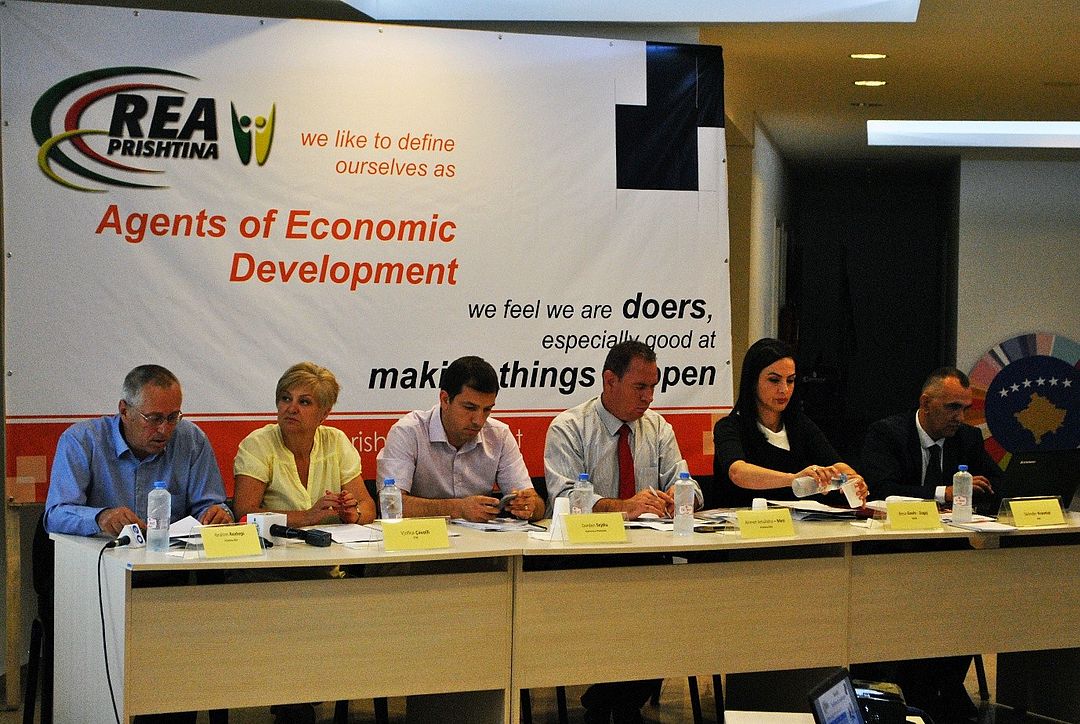
Innovation Centre Kosovo had the pleasure to host the conference which dealt with the socio-economic situation in Prishtina and its effects. Prishtina REA, the organiser of this conference, prepared a presentation of the Prishtina Economic Development Platform, which offers solutions and models for Prishtina in order to progress, to develop, to offer opportunities for investments, work, education, professional advancement, a secure life, and turning Prishtina into a real Metropolitan Capital.

Representatives from different institutions participated as panelists, such as Mr. Dardan Sejdiu, Vice President of the Prishtina Municipality, Mrs. Besa Zogaj, Deputy Minister of the Ministry of Economic Development, Mr. Ferat Shala, Deputy Minister of Environment and Spatial Planning, Mrs. Vjollca Çavolli, Executive Director of the Kosovo ICT Association-STIKK, and Mr. Skender Krasniqi, Vice President of the Kosovo Business Alliance.

“For the first time Kosovo will have a National Development Strategy that is initiated by the Government, which will include national strategic priorities. Those will assist as guideline through measures and actions which will be taken by the respective institutions in order to establish development”, said Mrs. Besa Zogaj from the MED.

Find out more about the National Development Strategy here: http://mzhe.rks-gov.net/?page=2,42,1030

ICT Event in Tirana on July 11

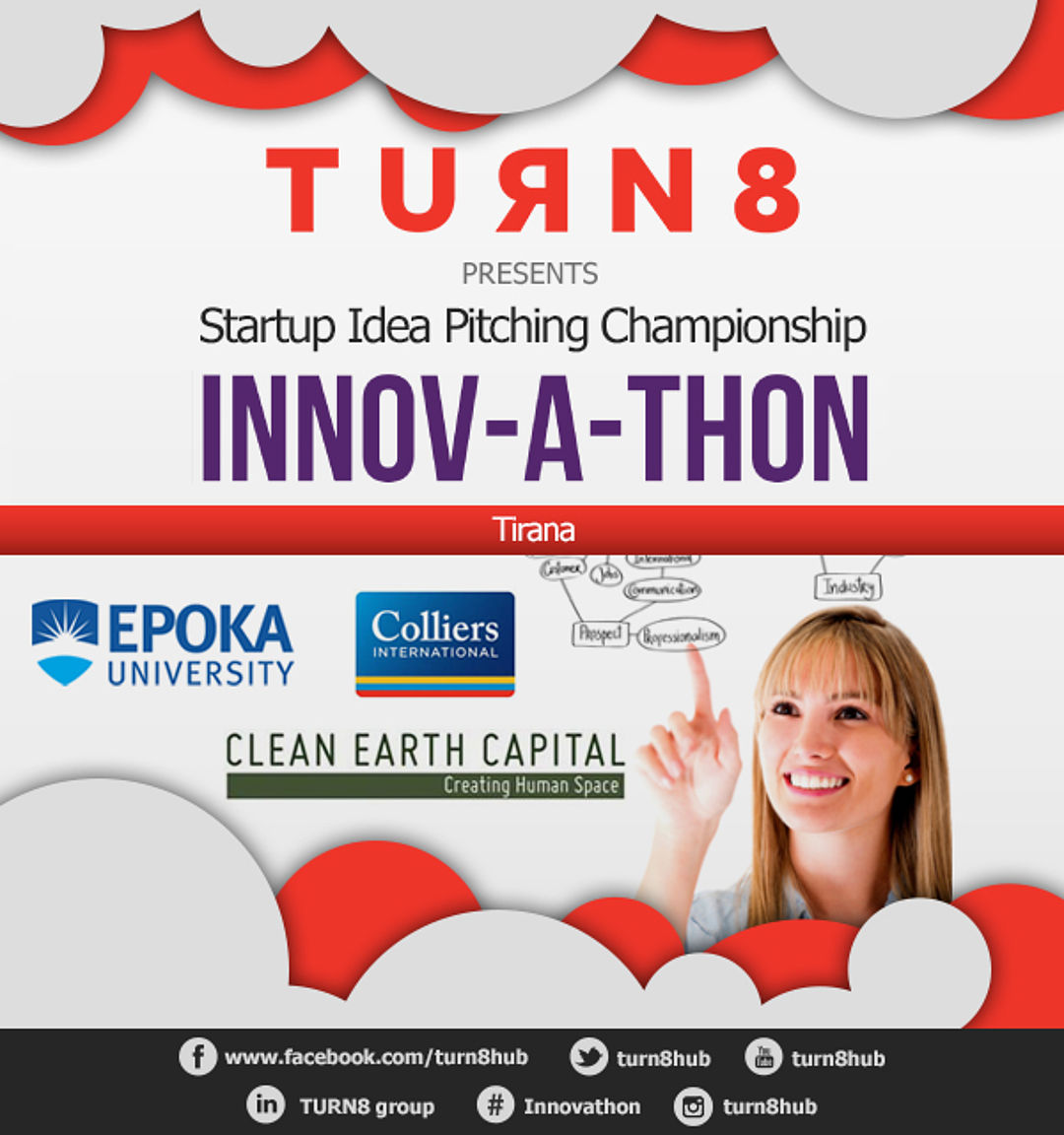
On behalf of our partner organization, TURN8, we would like to invite you to an exclusive event for start-up entrepreneurs and innovators. Join us on for Innov-a-thon, a one-day idea pitching event to qualify innovative start-ups and technologies for funding, support and participation in the new TURN8 seed accelerator.

At Innov-a-thon, you will have the opportunity to:

Pitch an idea for one of the TURN8 themesMeet and connect with other creative geniusesForm a team and work together to refine your ideaPitch again at the end to qualify for TURN8 seed accelerator in Dubai

DATE: July 11, 2015
TIME: 10.30AM – 6.00PM
VENUE: Epoka University, Autostrada Tirane-Rinas, km. 12, 1000, Albania

Themes: What type of ideas?

– Web or mobile applications
– e-commerce portals
– Arabic content advancements
– Education and e-learning enhancements
– Sustainable living technologies
– Crowdsourced services
– Social networking innovations
– Healthcare technologies

Learn more about TURN8.
Register for Innov-a-thon here!
For questions or to register by phone, call +9714-319-7645.
Email the TURN8 Innov-a-thon team.
Can’t make it to an Innov-a-thon? You can pitch online!

Seminar “International Software Engineering: A Case Study of the Honeywell Experience”

On 3 June, USAID, in cooperation with the Faculty of Electrical and Computer Engineering (FECE – UP) and STIKK, organised a seminar on the topic of International Software Engineering.

Prof. Ronalds Birks from Honeywell, and Prof. Shahin Berisha, Software Engineer from the Arizona State University shared their experiences. Globalisation pushed Honeywell from USA to outsource to India, China, Russia and Mexico. Prof. Birks, after working one year in Russia, more than four years in India, and more than five in France, explained how companies which have offices in many different countries in the world are functioning. The company starts working on the project in the USA, in the afternoon the concept is developed in the Czech Republic, the development continues in India, and then goes back to the USA for testing. This efficiency has been developed through years of experience and cooperation, especially with Universities for adjustment of the curriculum with the needs of the labour market.

But success is not the only thing International Software Engineering brings. Besides the language difference and the time zones, a small possibility for face-to-face meetings and difficult process cooperation are challenges that these multi-national projects face. When focusing on Kosovo, Prof. Birks highly valued the level of English and German language knowledge, the geographic position, and the young age of potential employees in the ICT sector.